What Is Hydrogen Embrittlement in Screws?
Causes, Risks and Prevention in High-Strength Screws
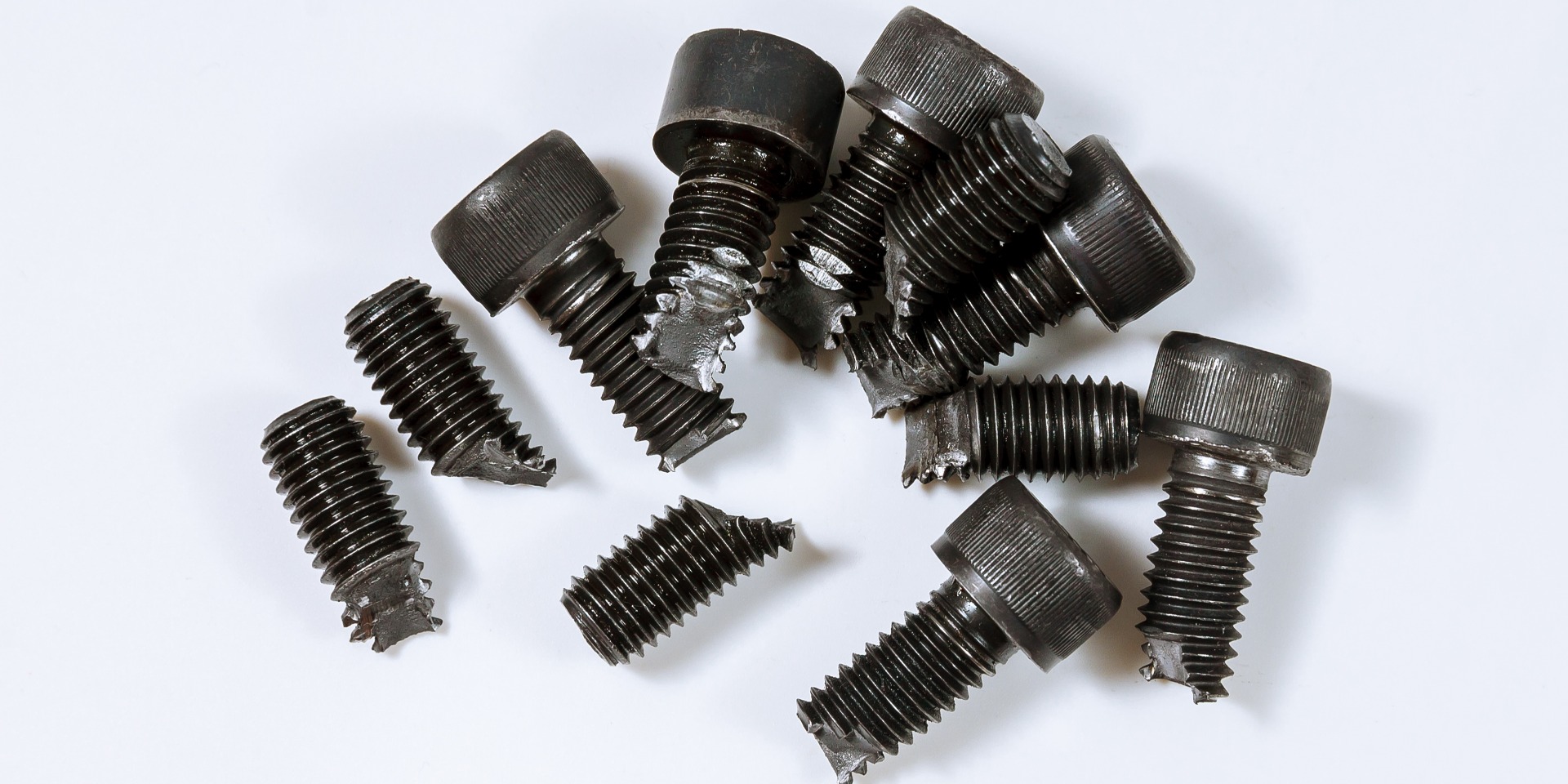
Hydrogen embrittlement occurs when hydrogen atoms enter high-strength steel and cause brittle fracture under stress.
Failure usually occurs hours to days after installation and is difficult to detect during final inspection, making it a key focus in the quality management of high-strength screws.
1. Causes of Hydrogen Embrittlement
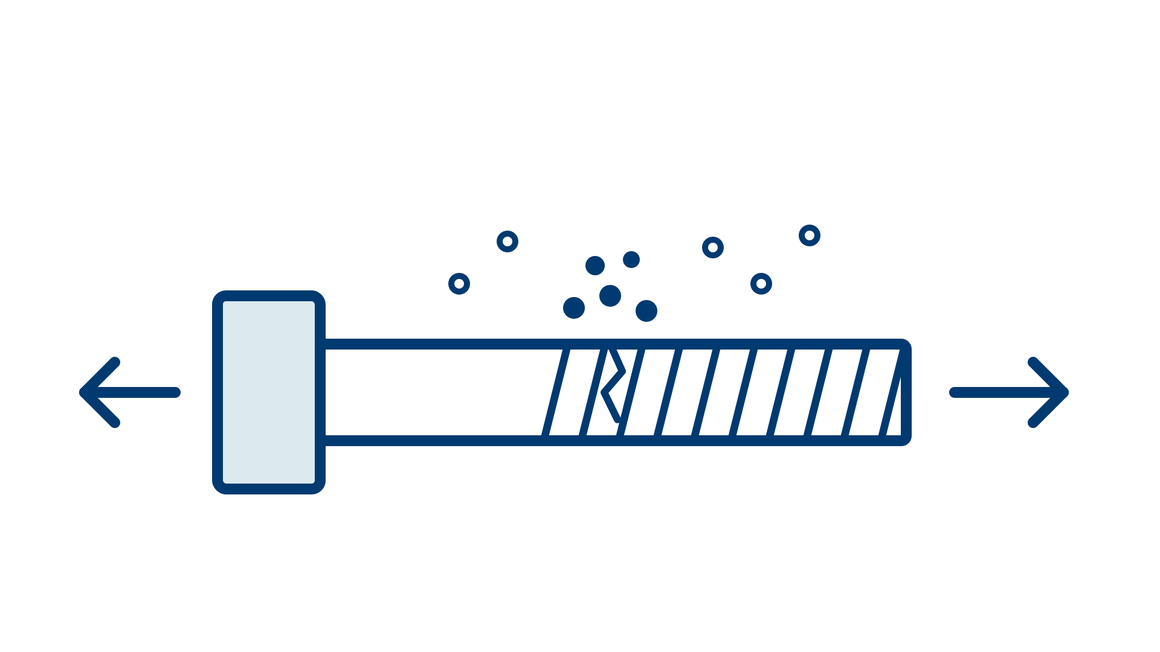
Hydrogen comes from two sources: manufacturing and the service environment. During manufacturing, both acid pickling before plating and the electroplating process itself generate hydrogen, part of which is absorbed by the steel. This makes zinc plated screws a primary focus of control. In service, corrosion of the fastener can also generate hydrogen.
Once a fastener is tightened, hydrogen in the steel diffuses toward areas of concentrated tensile stress, such as the thread root and the head-to-shank transition. When local hydrogen concentration reaches a critical level, a crack forms and continues to grow until the fastener fractures. Because diffusion and accumulation take time, failure is typically delayed.
2. Assessing the Risk for High-Strength Screws
The harder the steel, the more sensitive it is to hydrogen. Earlier standards used 320 HV as the starting point of hydrogen embrittlement risk, while recent research places the threshold for additional preventive measures at 360 HV. Compared with the hardness ranges in ISO 898-1, the risk for each grade of high-strength screws is as follows.
| Property Class | Hardness Range | Risk |
|---|---|---|
| 8.8 | 250 to 320 HV | Low |
| 10.9 | 320 to 380 HV | Moderate, attention required |
| 12.9 | 385 to 435 HV | High, strict control required |
Self-drilling screws are case hardened and have high surface hardness. If they are electroplated, they should also be included in hydrogen embrittlement control.
3. Prevention Measures
Reducing hydrogen embrittlement risk starts at the source. Mechanical descaling such as shot blasting should be used where possible, and when acid pickling cannot be avoided, immersion time should be kept short. Non-electrolytic zinc flake coatings such as Dacromet avoid process-generated hydrogen altogether.
For zinc plated screws, alkaline zinc is recommended because its coating allows hydrogen to escape more readily during baking, and hydrogen relief baking must be carried out after plating. ISO 4042 specifies baking at 190 to 220°C for up to 24 hours, started within 4 hours of plating. Insufficient baking time significantly reduces its effectiveness.
4. Testing Methods
Hydrogen embrittlement usually affects only a small number of parts within a batch, so in-process sampling is required. A common method is the ISO 15330 preloading test, in which fasteners are tightened close to their yield point and held for at least 48 hours, with periodic retightening and inspection for fractures or cracks. A batch is released only when all samples pass.
With over 40 years in the fastener industry and AS9100D aerospace quality management certification, PATTA applies consistent quality standards from requirement review, inspection and testing to mass production and global delivery. If you have questions about hydrogen embrittlement risk in high-strength screws, our team is happy to assist.
👉 Contact us: https://www.patta.com/contact/
FAQ
Q1: What is hydrogen embrittlement?
A: Hydrogen embrittlement occurs when hydrogen atoms enter high-strength steel and cause brittle fracture under stress, typically hours to days after installation.
Q2: Are class 8.8 high-strength screws at risk of hydrogen embrittlement?
A: The risk is low. Class 8.8 has a hardness range of 250 to 320 HV, below the threshold that generally calls for additional measures. Class 10.9 and above, especially 12.9, require strict control.
Q3: How can hydrogen embrittlement be prevented in zinc plated screws?
A: Keep acid pickling time to a minimum before plating, and carry out hydrogen relief baking within 4 hours of plating in accordance with ISO 4042. High-strength screws can also use non-electrolytic coatings such as Dacromet.