


What Really Defines Screw Grades? The Role of Heat Treatment in High-Strength Screws
How Quench and Temper and Case Hardening Strengthen Screws
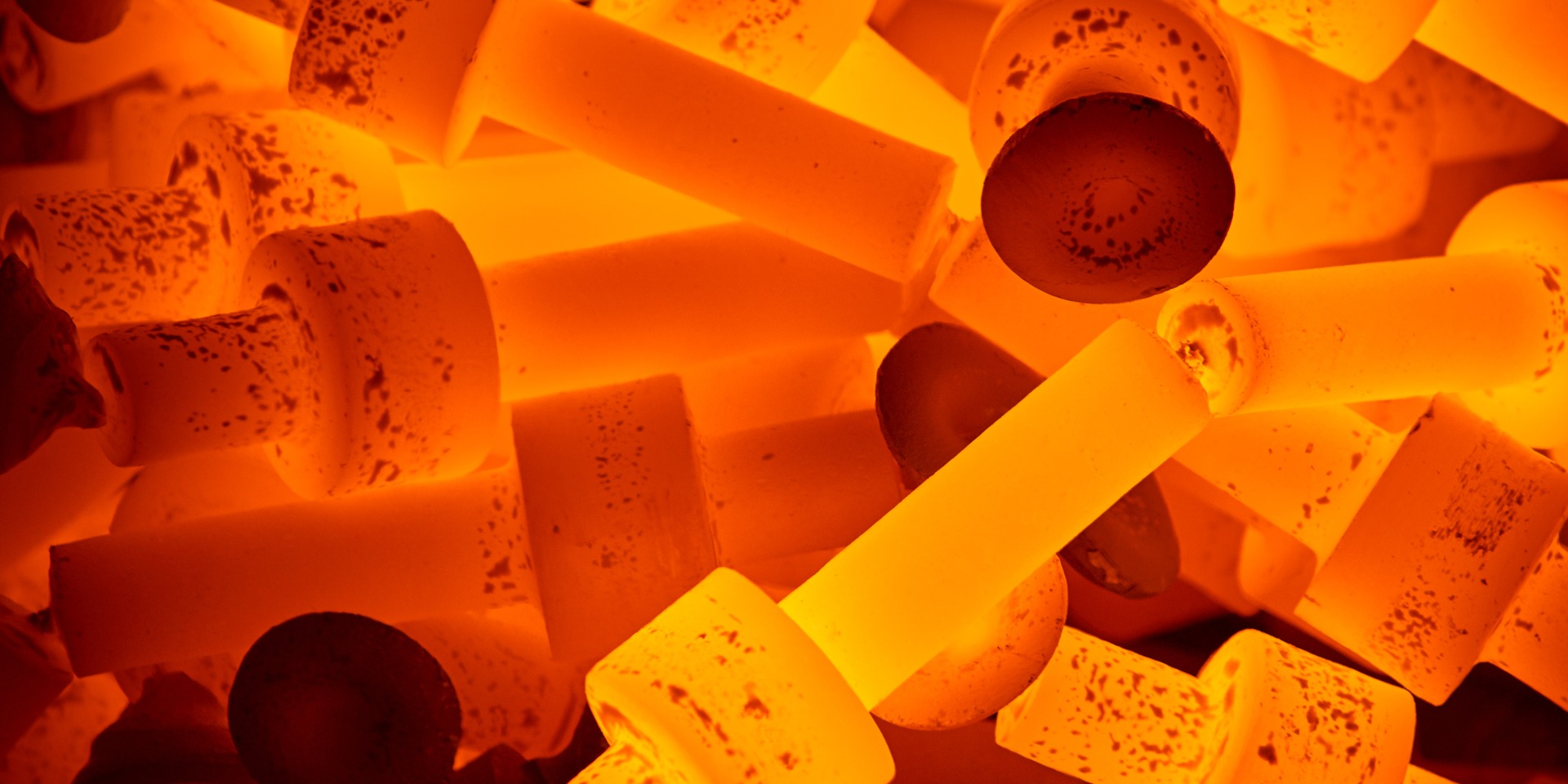
After forming, a fastener rarely has the mechanical properties required of high-strength screws. Heat treatment adjusts the microstructure of the steel to reach them.
Depending on the application, fastener heat treatment falls into two categories. Quench and temper strengthens the entire part and determines the grade of high-strength screws, while case hardening strengthens only the surface and is essential for self-tapping and self-drilling screws.
1. Quench and Temper Defines the Grade of High-Strength Screws
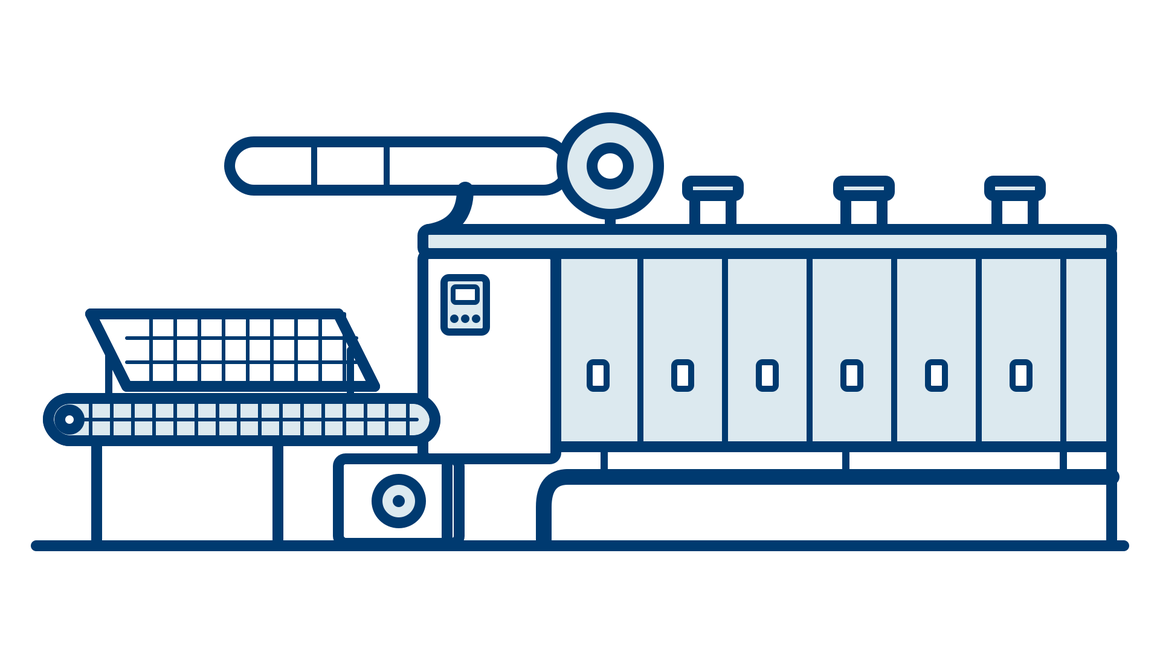
Quench and temper is a two-stage process. The fastener is heated to its austenitizing temperature, held, and then rapidly cooled in oil or water, transforming the structure into martensite and greatly increasing strength and hardness. Because quenched steel is hard but lacks toughness, it is then reheated to a controlled temperature for tempering, which relieves internal stress, restores toughness and brings hardness into the target range.
Tempering temperature and time are the key parameters that determine the final screw grade. ISO 898-1 specifies the following mechanical properties for each property class.
| Screw Grade | Min. Tensile Strength | Hardness Range |
|---|---|---|
| 8.8 | 800 MPa (d≤16mm) | 250 to 320 HV |
| 10.9 | 1,040 MPa | 320 to 380 HV |
| 12.9 | 1,220 MPa | 385 to 435 HV |
Quenched and tempered high-strength screws have uniform hardness throughout, making them suitable for steel structures, automotive and machinery joints that carry high preload.
2. Case Hardening for Self-Tapping and Self-Drilling Screws
Case hardening is a surface hardening process. In carburizing, the fastener is heated in a carbon-rich atmosphere so that carbon diffuses into the surface layer, followed by quenching and low-temperature tempering. The result is a hard surface with a tough core.
Self-tapping and self-drilling screws must drill or tap into the base material on their own. Surface hardness determines cutting performance, while core toughness prevents fracture during installation, which is why these products are typically case hardened. They are not classified by screw grades such as 8.8 or 10.9. Instead, they are tested to their own product standards, such as ISO 2702 for self-tapping screws and ISO 10666 for self-drilling screws.
| Item | Quench and Temper | Case Hardening |
|---|---|---|
| Hardened area | Entire part | Surface layer |
| Hardness profile | Uniform | Hard surface, tougher core |
| Typical products | Class 8.8, 10.9 and 12.9 high-strength screws | Self-tapping and self-drilling screws |
| Standards | ISO 898-1 | ISO 2702, ISO 10666 and others |
3. Verifying Heat Treatment Quality
Heat treatment quality cannot be judged by appearance and must be confirmed with test data. When evaluating a supplier of high-strength screws, check that hardness results fall within the specified range and remain consistent between batches, and confirm that the surface is free of decarburization, which reduces surface hardness and fatigue life. Tensile testing verifies that actual strength meets the requirements of the screw grade.
With over 40 years in the fastener industry and AS9100D aerospace quality management certification, PATTA applies consistent quality standards from requirement review, inspection and testing to mass production and global delivery. If you are evaluating screw grades or heat treatment requirements for high-strength screws, our team is happy to assist.
👉 Contact us: https://www.patta.com/contact/
4. FAQ
Q1: What is the difference between screw grades 8.8, 10.9 and 12.9?
A: The difference lies in strength and hardness after heat treatment. Under ISO 898-1, class 12.9 has a minimum tensile strength of 1,220 MPa compared with 800 MPa for class 8.8. Higher grades are suited to higher loads.
Q2: Why do high-strength screws need quench and temper?
A: Formed steel lacks the required strength. Quenching raises strength, and tempering restores toughness and adjusts hardness, allowing the screw to meet class 8.8 or higher.
Q3: Why are self-drilling screws case hardened instead of quenched and tempered?
A: Self-drilling screws need a very hard surface to drill and tap, and a tough core to avoid fracture. Case hardening creates exactly this combination.
Marketing
PATTA International
12 October 2026