

Self-Drilling Screws vs Self-Tapping Screws: Differences, Applications & Engineering Selection Guide
Fastener Comparison — Functions and Uses
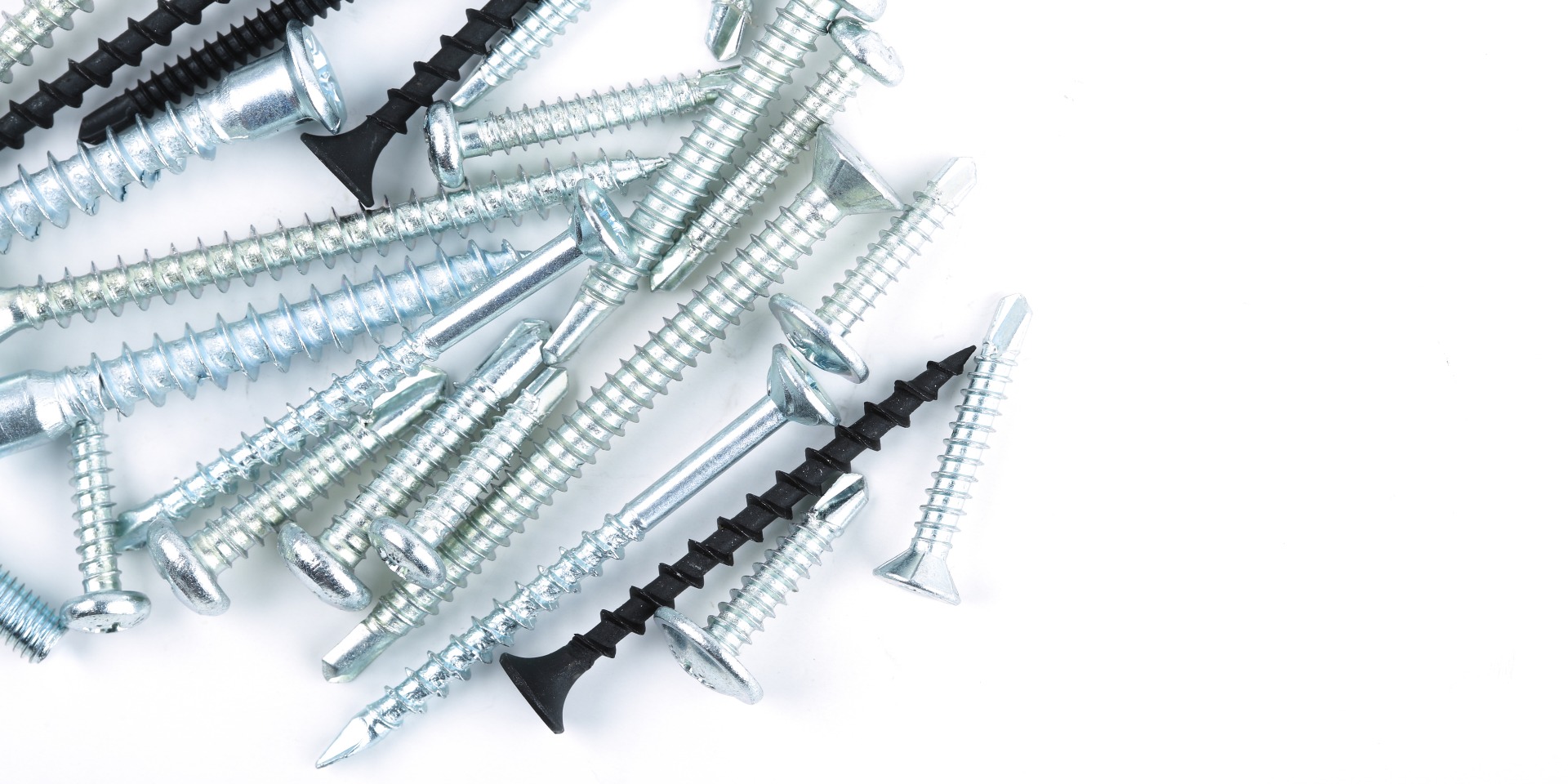
When working on steel structure assembly, metal construction, or general repairs, choosing between Self-Drilling Screws and self-tapping screws directly impacts installation efficiency and joint strength.
Although both types look similar and share threading capabilities, they differ fundamentally in installation logic, applicable materials, and load performance. Choosing the wrong type can lead to fastening failure or even structural damage.
This article breaks down the following selection essentials:
· Structural principles and core differences between Self-Drilling Screws and self-tapping screws
· Suitable applications for various metal sheets and steel construction projects
· Practical engineering selection advice and common mistakes to avoid
I. What Are Self-Tapping Screws? Structural Principles & Applications
Self-tapping screws are designed to cut their own threads inside a pre-drilled hole, creating a tight fit between the screw and base material. The tip is typically pointed or flat and does not have drilling capability on its own.
Advantages and applications of self-tapping screws:
· High thread engagement: Large contact area with base material provides strong pull-out resistance, ideal for precise fastening of thin components.
· Low material stress: Minimal expansion stress on base material reduces the risk of cracking, suitable for aluminum profiles, thin metal sheets, engineering plastics, and wood.
· Common applications: Aluminum window and door assembly, appliance repairs, precision thin-component fastening.
Installation note: Forcing a self-tapping screw into material without a pre-drilled hole will cause the tip to overheat and lose its temper due to friction, making threading impossible and potentially breaking the screw or damaging the base material.
II. What Are Self-Drilling Screws? Structural Principles & Applications
Self-Drilling Screws feature an integrated twist drill tip. Their key advantage is that no pre-drilling is required — drilling, threading, and fastening are all completed in a single operation.
Advantages and applications of Self-Drilling Screws:
· No pre-drilling needed; one tool completes the entire process, significantly improving on-site steel construction efficiency.
· Ideal for elevated work or large-scale metal fastening operations.
· Common applications: Color steel roofing, light steel frame assembly, corrugated metal sheeting, medium-thickness steel plate connections.
Installation note: Self-Drilling Screws have a maximum penetration capacity. When material thickness exceeds the effective drilling length of the tip, the drill will overheat and seize. Always select the appropriate screw grade to match the material thickness.
III. Self-Drilling Screws vs Self-Tapping Screws: Core Comparison
| Comparison | Self-Tapping Screws | Self-Drilling Screws |
| Tip structure | Pointed or flat tip | Integrated twist drill tip |
| Pre-drilling required | Yes, pilot hole required | No, direct fastening |
| Key advantage | Precise thread engagement, minimal material damage | High installation efficiency, fewer tool changes |
| Suitable materials | Aluminum, thin metal sheets, plastics, wood | Steel structures, color steel panels, metal sheeting |
| Typical applications | Aluminum windows, appliance repairs, precision thin components | Metal roofing, light steel frames, structural steel connections |
IV. Practical Engineering Selection Guide
Drill screw and self-tapping screw selection should be based on material type, sheet thickness, and installation environment:
· Steel construction and large-scale fastening: Prioritize Self-Drilling Screws. Always confirm total material thickness and select the corresponding drill grade — thick steel plates require long-tip drill screw specifications.
· Precision fastening of thin components: Use self-tapping screws to ensure pilot hole dimensions match screw specifications precisely, preventing thin sheet deformation or insufficient clamping force.
V. Professional Fastening Solutions
If you have specific anti-corrosion requirements for outdoor environments or particular specification needs, contact the PATTA team for professional fastener selection advice and the most reliable fastening solution for your project.
Marketing
PATTA International
11 June 2026