


How to Read Screw Specifications: Common Screw Types and Applications
Explore the must-know details with PATTA
How to Read Screw Specifications: Common Screw Types and Applications
In engineering projects, equipment manufacturing, and industrial assembly, screws may seem like small components, but they often play a critical role in structural stability, installation efficiency, and long-term safety. As global manufacturing moves toward smarter and more high-precision applications, fasteners are no longer just standard parts—they must deliver strength, durability, and reliability as essential industrial elements.
PATTA has long been dedicated to the fastener industry, serving automotive, machinery, construction, and high-end industrial markets. This article provides a practical guide to understanding screw specifications, common screw types, and their typical applications, helping you make the right selection for different needs.
Key Elements of Screw Specifications
Screw specifications are typically defined by diameter, length, pitch, thread type, and strength grade. A common metric example is M8 × 30, where M8 indicates an outer thread diameter of about 8mm, and 30 refers to the screw length.
Common Metric Screw Sizes (Outer Diameter)
·M3 × 10 (Ø3mm): electronics, small devices
·M4 × 12 / M4 × 20 (Ø4mm): home appliances, light structures
·M5 × 20 / M5 × 30 (Ø5mm): machinery parts, casing assembly
·M6 × 25 / M6 × 40 (Ø6mm): general engineering use
·M8 × 30 / M8 × 50 (Ø8mm): medium-to-high load equipment
·M10 × 60+ (Ø10mm): steel structures, heavy machinery
Common Pitch Values (Coarse Thread Standard)
·M6: 1.0mm
·M8: 1.25mm
·M10: 1.5mm
Pitch affects installation speed and resistance to loosening. Fine threads are often used in high-vibration or precision environments.
Inch Screw Standards (Common in Western Markets)
·#8 (Ø4.2mm)
·#10 (Ø4.8mm)
·1/4 inch (Ø6.35mm)
*Inch threads are generally classified as UNC (coarse) or UNF (fine), similar to metric standards.
For high-load or structural fastening applications, strength grade is a key performance indicator:
Common Strength Grades (Structural Use)
·Grade 8.8: widely used in engineering and equipment
·Grade 10.9: automotive and high-strength machinery
·Grade 12.9: heavy-duty and high-safety applications
How Head and Thread Designs Affect Installation Performance
Screw head and thread designs directly influence installation methods, fastening efficiency, and structural reliability.
Common Head Types
·Hex Head: high torque fastening, steel structures and machinery
·Socket Head: precision equipment, clean appearance
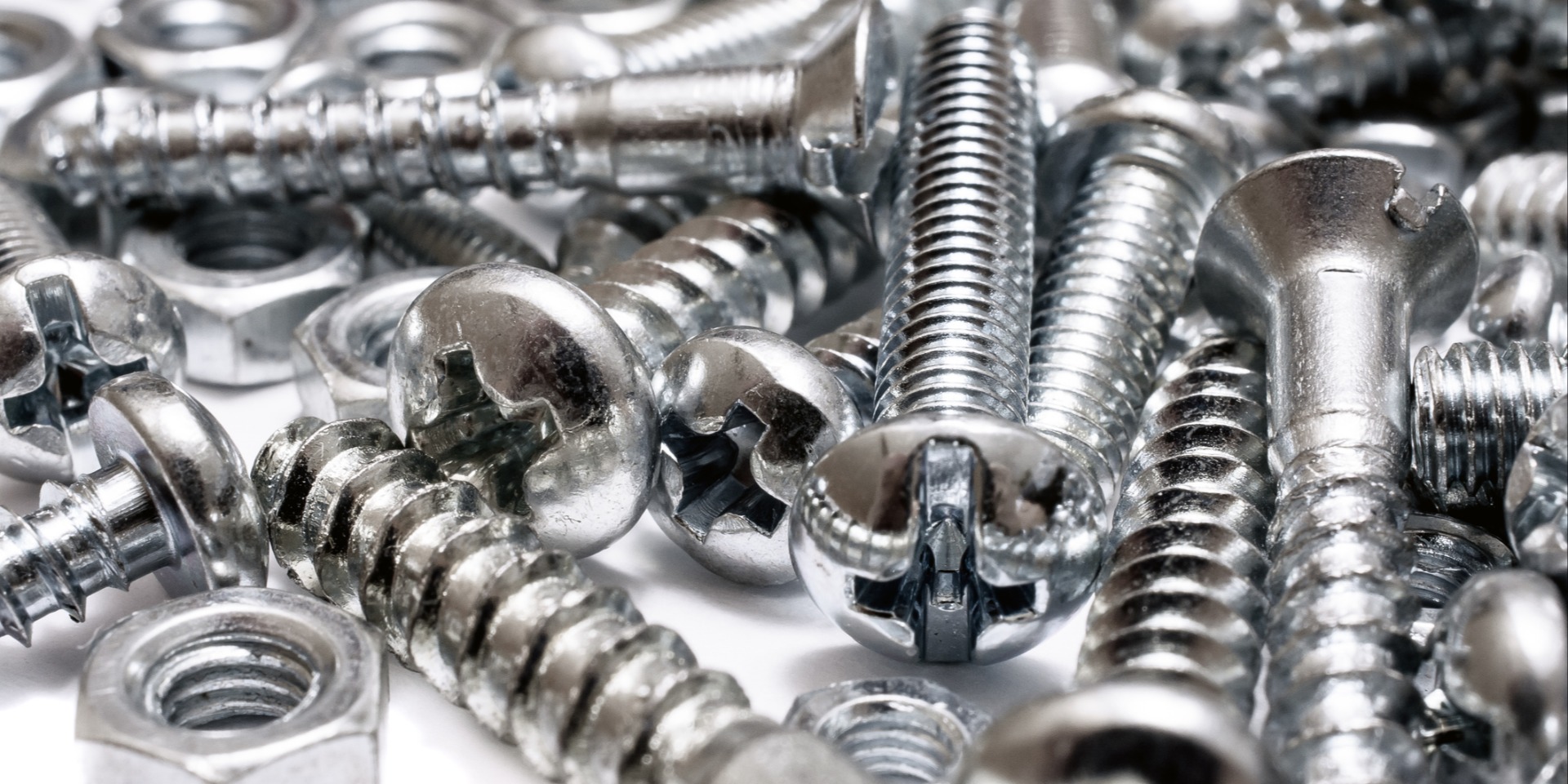
·Phillips Head: convenient for general assembly and appliances
·Countersunk Head: flush surface finish, appearance-focused products
·Pan Head: common for sheet metal fastening
Common Thread Types
·Coarse Thread: general-purpose, fast installation
·Fine Thread: improved anti-loosening performance
·Self-Tapping Thread: suitable for thin plates and plastics
·Special Anti-Loosening Threads: used in automotive and rail applications
With smart manufacturing and advanced industries growing, screw designs continue to evolve toward higher precision and safety.
Common Screw Types and Practical Applications
Different screw types are used in different industrial scenarios:
·Machine Screws: equipment assembly, metal structures
·Self-Tapping Screws: thin plates, plastics, quick installation
·Stainless Steel Screws: outdoor projects, food equipment, corrosion resistance
·High-Strength Bolts: construction, transportation, heavy machinery
*As aerospace, EV, and automation industries expand, demand for high-performance fasteners continues to rise.
Selecting the Right Screw Specifications for Efficiency and Safety
Choosing the right screw is not only about matching size, but also considering load conditions, environment, vibration risk, and long-term durability. Proper specifications improve installation efficiency and reduce the risk of loosening, failure, and maintenance costs.
PATTA continues to invest in smart manufacturing and quality management—from material selection and process control to full product traceability—supporting customers with reliable fastener solutions across industries.
For fastener inquiries, please contact PATTA
https://www.patta.com/contact
Marketing
PATTA International
04 February 2026